
Part 1 — A Comfortable Alternative for Treating Sleep Apnea and Snoring
CPAP is an effective treatment for many people with obstructive Sleep Apnea, but it is not the right fit for everyone. Many patients struggle with discomfort, inconvenience, or difficulty sleeping with a mask. For many adults with mild to moderate obstructive Sleep Apnea, and for some who cannot tolerate CPAP, Oral Appliance Therapy (OAT) offers an evidence-based alternative when prescribed and managed by qualified providers in collaboration with a physician.
At Good Night El Paso, our goal is to help you understand your options and find a treatment you can use consistently, so you can sleep better and improve your overall health.
Understanding Obstructive Sleep Apnea
Obstructive Sleep Apnea occurs when the airway repeatedly narrows or collapses during sleep, interrupting breathing and preventing restorative sleep. Untreated Sleep Apnea may contribute to daytime fatigue, loud snoring, difficulty concentrating, mood changes, high blood pressure, cardiovascular disease, stroke, type 2 diabetes, and reduced quality of life.
The American Academy of Sleep Medicine recognizes treating sleep apnea as an important step in protecting your long-term health.
It’s About More Than Snoring
Not everyone who snores has sleep apnea, but loud, habitual snoring can be an important warning sign. Often, it’s a partner who first notices the pauses in breathing, or the fact that you never seem to wake up rested. If that sounds familiar, it’s worth paying attention to.
Why CPAP Isn’t the Right Fit for Everyone
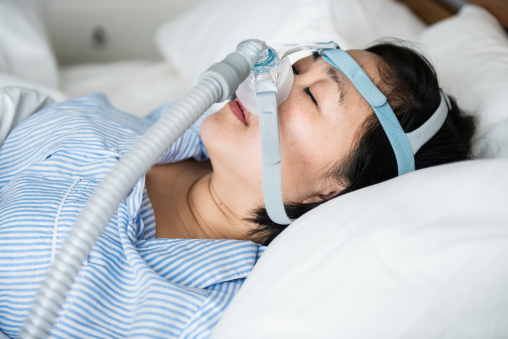
CPAP is effective, but only when it’s used consistently, and that’s where many people struggle. Some patients deal with mask leaks, claustrophobia, dry mouth, skin irritation, or the hassle of tubing and travel. If you’ve quietly given up on your machine, you’re in good company, and it doesn’t mean you’re stuck.
A Different Approach: Oral Appliance Therapy
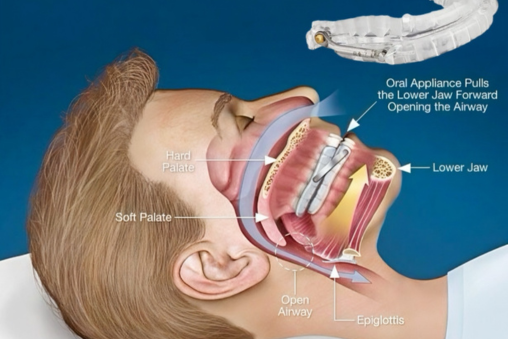
For many adults with mild to moderate obstructive sleep apnea, and for some who simply can’t tolerate CPAP, Oral Appliance Therapy (OAT) offers an evidence-based alternative. Instead of a mask and machine, it uses a custom-made oral appliance that gently supports your lower jaw to help keep your airway open, with no tubing, no electricity, and no noise. When it’s prescribed and managed by qualified providers alongside your physician, it can be a genuine turning point.
At Good Night El Paso, every patient starts with an individualized evaluation to determine whether Oral Appliance Therapy is the right option, because the best treatment is always the one that fits you.
In Part 2, we’ll look at exactly how Oral Appliance Therapy works, and why so many patients find it easier to live with than they expected.