
You do everything right. You go to bed on time, you avoid your phone, you even bought the fancy pillow. And yet, you still wake up exhausted, your partner still nudges you about the snoring, and something about your sleep just feels off.
What if part of the problem isn’t how long you sleep, but how you sleep? Sleep positioning therapy for Sleep Apnea is one of the most overlooked, and most accessible , tools for reducing nighttime breathing disruptions. And for many adults in El Paso experiencing mild symptoms, snoring, or restless nights, it’s a change that can start tonight.
Why your sleep position has a direct impact on Sleep Apnea symptoms
Here’s the biology behind it: when you fall asleep, the muscles in your throat and jaw naturally relax. When that happens in the wrong position, especially on your back, gravity does the rest. Your tongue and soft tissue slide backward, narrowing or partially blocking your airway.
The result? Snoring. Pauses in breathing. Your body jolting itself awake, sometimes dozens of times a night, without you ever fully waking up. That’s why you can spend eight hours in bed and still feel like you barely slept.
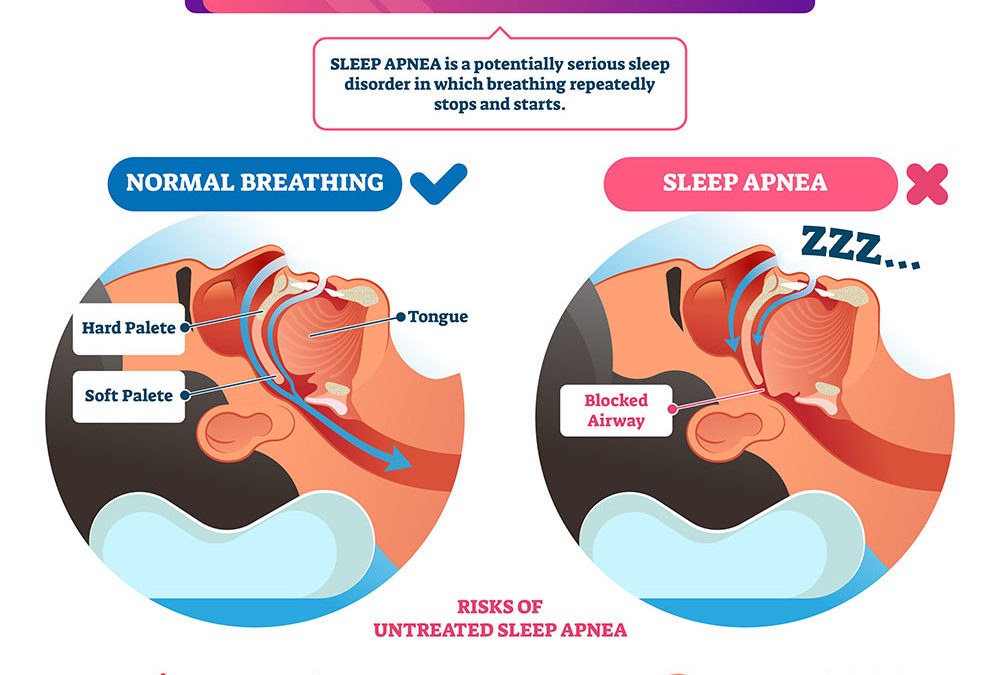
Adjusting your sleep position works with your anatomy instead of against it. The right position keeps the airway open naturally, which can help:
• Improve nighttime airflow and reduce snoring frequency
• Decrease the number of micro-awakenings disrupting your sleep cycles
• Lower the severity of mild obstructive sleep apnea episodes
• Support deeper, more restorative REM sleep
It won’t eliminate a clinical sleep apnea diagnosis on its own, but as a supportive strategy, the evidence is clear: position matters.
The best sleep positions for Sleep Apnea relief
Side Sleeping, best option for most people
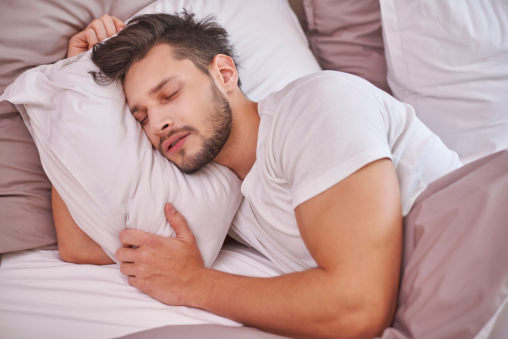
If there’s one change sleep specialists consistently recommend for people with sleep apnea or chronic snoring, it’s this: sleep on your side
Side sleeping, particularly on your left side, naturally prevents the tongue and soft tissue from falling back into the airway. It promotes steadier, quieter breathing and is associated with fewer breathing interruptions throughout the night.
• Use a supportive pillow with proper loft: your head and neck should stay neutral, not tilted up or drooping down.
• Place a pillow between your knees: this reduces hip and lower back strain and makes the position easier to hold all night.
• Try a body pillow or wedge behind your back: it creates a gentle barrier that prevents you from rolling onto your back mid-sleep.
• The left side is slightly better than the right: it also helps reduce acid reflux, which can independently worsen sleep quality.
Sleep positions that can worsen Sleep Apnea
Back Sleeping, the position most likely to cause problems
Sleeping flat on your back, the supine position, is the most common trigger for positional sleep apnea. In this position, gravity works directly against you: the jaw drops, the tongue slides backward, and the soft palate can partially collapse into the airway with every breath.
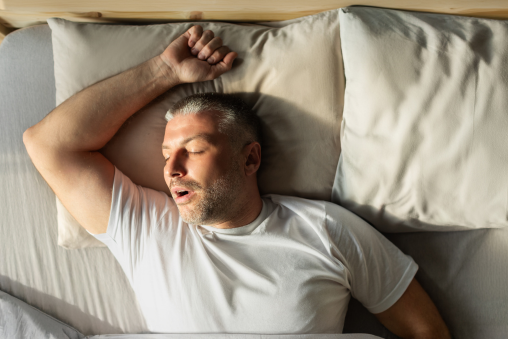
If you tend to snore more when lying on your back, or if a bed partner has noticed that your breathing sounds worse in that position, this is likely a contributing factor.
The Exception: Elevating Your Upper Body
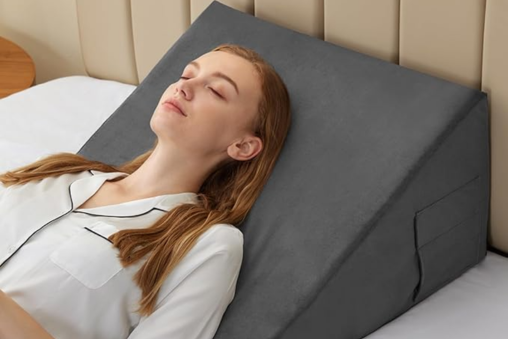
If side sleeping isn’t comfortable for you, due to shoulder pain, joint issues, or personal preference, elevating your upper body is a strong alternative. Sleeping with your head and chest raised at a 30–45 degree angle helps counteract gravity’s pull on the airway while also reducing acid reflux, which is frequently linked to disrupted sleep.
Wedge pillow: purpose-built foam wedges create a gradual, stable incline that standard pillows can’t replicate. Look for a 7–10 inch height.
Adjustable bed base: if back sleeping is unavoidable, raising the head of the bed (not just adding pillows) provides consistent elevation without neck strain.
Avoid stacking regular pillows: they shift during sleep, create neck flexion, and can actually worsen airway positioning.
When sleep positioning therapy isn’t enough
Sleep positioning therapy is a valuable tool, especially for people with mild or positional Sleep Apnea, or as a complement to professional treatment. But it has real limits.
If you’re regularly experiencing any of the following, position adjustments alone are unlikely to give you the relief you’re looking for:
• Loud snoring that persists regardless of sleep position
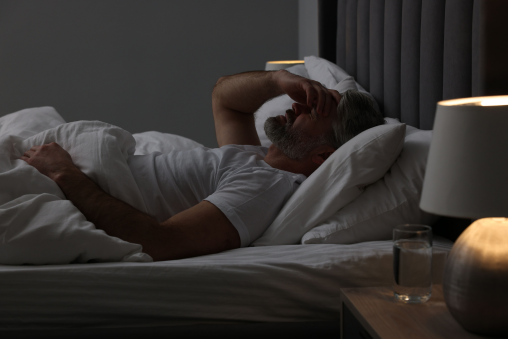
• Gasping, choking, or waking up with a racing heart
• Persistent morning headaches or dry mouth upon waking
• Daytime fatigue that doesn’t improve even after a full night’s sleep
• A bed partner who has witnessed you stop breathing during sleep
These are signs of moderate to severe Obstructive Sleep Apnea and that requires a clinical diagnosis, not just a pillow swap.
The good news: treatment has come a long way.
Oral Appliance Therapy (OAT) is a comfortable, custom-fit alternative to CPAP, small enough to travel with, silent, and proven effective for mild to moderate obstructive sleep apnea. Learn more about [how oral appliance therapy works] and [whether you might qualify] — two resources from our sleep health series.
The Evidence Behind Sleep Positioning Therapy
Sleep positioning recommendations aren’t just common sense, they’re backed by clinical research and endorsed by leading sleep health organizations. The American Academy of Sleep Medicine (AASM) recognizes positional therapy as an evidence-based approach for patients with position-dependent obstructive sleep apnea, particularly when symptoms are more frequent or severe in the supine position.
Studies consistently show that patients with positional sleep apnea who switch to side sleeping experience measurable reductions in their Apnea-Hypopnea Index (AHI) , which is the number that doctors use to measure how often your breathing is disrupted . While results vary by individual, the intervention is low-risk, low-cost, and worth trying as part of a broader sleep health strategy.
The recommendations in this article align with guidance from the American Academy of Sleep Medicine (AASM). the leading clinical authority on sleep health in the United States. For more information on sleep apnea diagnosis and treatment standards, visit aasm.org.
Personalized Sleep Apnea Care in El Paso
Better sleep is possible and it often starts with small, practical changes like the ones in this article. But when those changes aren’t enough, knowing where to turn makes all the difference.
At Good Night El Paso, we take a whole-body, compassionate approach to sleep health. We work with patients who are tired of being tired — people who’ve tried the pillows, changed the routines, and still aren’t sleeping well. If that sounds like you, a professional evaluation can give you real answers.
Our team specializes in non-invasive oral appliance therapy for sleep apnea — a custom-fit, comfortable solution designed around your anatomy and your lifestyle. No masks. No machines. Just better sleep.
Ready to take the next step?
Not sure if treatment is right for you? Start with our SLEEP APNEA ASSESSMENT a quick, clinically-validated tool to help you understand your risk level.
📞 Contact Good Night El Paso to learn more about oral appliance therapy and personalized sleep apnea care in El Paso, TX.
Last month, we covered [early Sleep Apnea prevention strategies], a great starting point if you’re new to our blogs. Next month we are sharing about The Importance of Sleep Hygiene in Preventing Sleep Apnea in El Paso, part of our Sleep health series.